
Whoa! I’ve been using Solana wallet extensions for quite a while now. They make NFTs easy to collect, but also raise tricky security questions. Initially I thought browser wallets would be the wild west—just quick, frictionless keys in my browser—but then reality set in when I watched a friend lose an NFT to a malicious extension that mimicked a legit wallet and looked almost perfect, which felt like a punch. On one hand you get instant transactions and tiny fees, though actually that convenience means you have to be hyper-aware about permissions and origins, which is easier said than done.
Seriously? If you’re new to Solana, the wallet options can feel overwhelming. Phantom, Solflare, and a few others dominate, but each has quirks. My instinct said Phantom was the simple winner for everyday NFT browsing, but after digging into permissions and extension manifests I realized the tradeoffs were more nuanced than a single headline claim. Actually, wait—let me rephrase that: Phantom is polished and widely trusted, though trust isn’t the same as invulnerability and a large user base can be a honey pot for copycats and social-engineering scams.
Hmm… Here’s what really bugs me about many wallet extensions. Permissions are framed as checkbox choices, not as potential backdoors. Developers bundle RPC endpoints, solicit signatures, and sometimes request unrestricted interactions that, if granted casually, allow bad actors to drain assets or approve token approvals that quietly siphon NFTs over time. So yes, wallet UX matters, but security models and clear permission prompts matter more, and those are the places where I would focus my attention when installing any extension—especially in a US browser environment where phishing campaigns are common.
Where to find a safe download
Here’s the thing. Before you click install, pause and check a few signals. Look at the developer, the webstore listing, user reviews, and the extension’s requested permissions. My method is basic but practical: verify the official site’s link, cross-check GitHub or official docs, and if possible test with a small amount of SOL before moving valuable NFTs across, because tiny mistakes cost a lot fast. On one hand this seems tedious, though actually it’s a tiny upfront time investment that saves you from a major headache later, and I learned that the hard way.
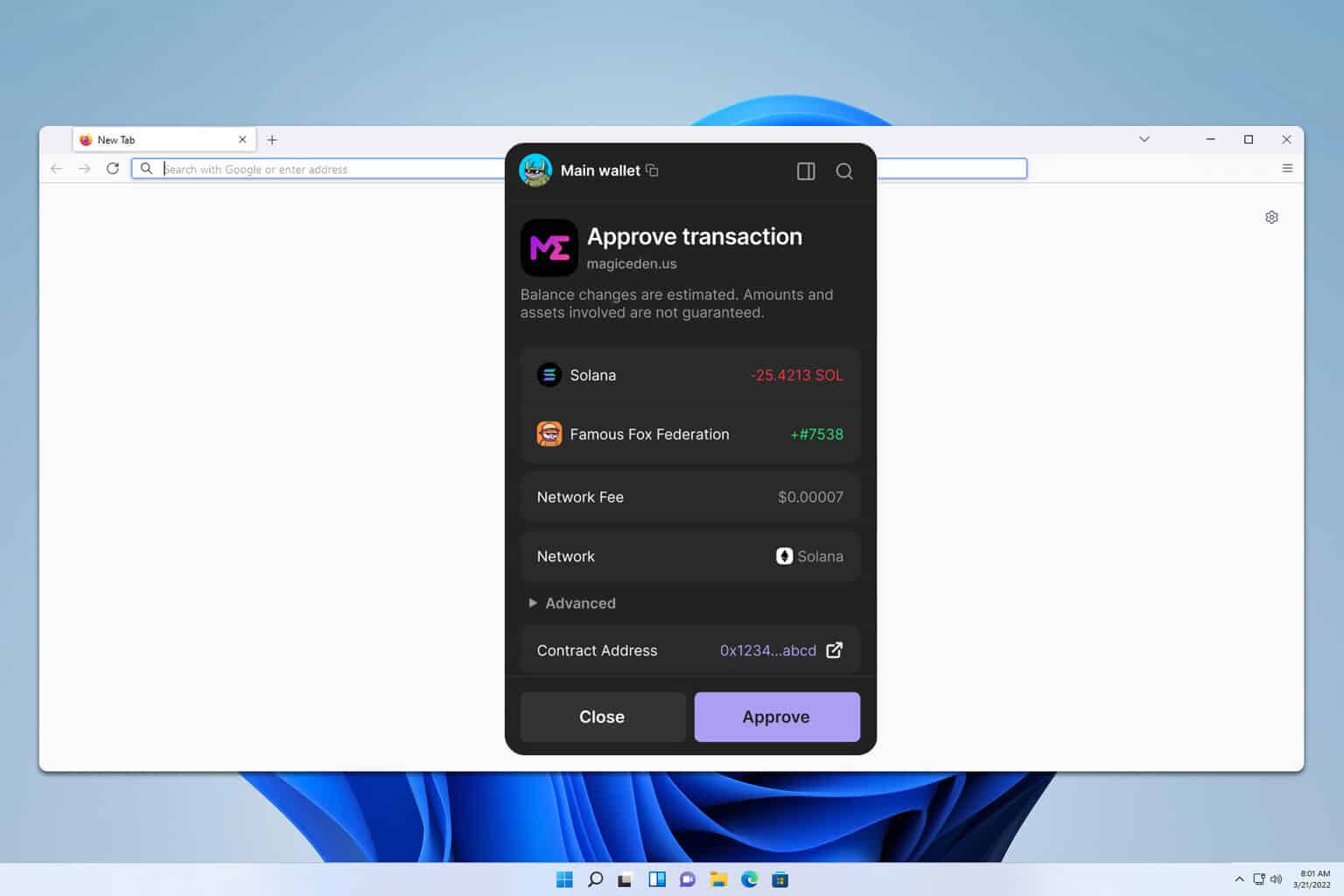
Whoa! I recommend using well-known wallets but with guardrails. For Solana NFTs that means a wallet that supports signing specifically for token transfers and memo fields. If you want an extra layer, consider a hardware-connected solution or use wallets that support a separate signing window so you can visually verify each transaction before approval, even if that slows down the flow. I’m biased, but when I work with clients I often suggest Phantom for daily browsing and a hardware option for holding stars of collections or rare drops, because the convenience-security tradeoff is real.
Really? There’s also the ecosystem angle to consider. Some wallets integrate NFT marketplaces and allow in-wallet swaps, which is handy. That integration can be elegantly smooth, though it centralizes trust and sometimes pushes users toward built-in fiat rails that increase attack surface and regulatory complexity depending on how you set it up. On the flip side, native integrations remove the need to copy-paste addresses between dapps which in itself reduces certain classes of user error, so it’s a balancing act.
Hmm… A quick practical checklist helps. A few concrete items: 1) Confirm extension origin and the official website. 2) Check requested permissions—avoid extensions that ask to read and change all your data on visited websites unless you absolutely trust the publisher, and treat signing requests carefully. 3) Use a burner wallet for risky drops and an air-gapped or hardware wallet for valuable assets; it’s the same ethos as not carrying every credit card in your phone’s wallet.
Install tip (one safe place)
Okay, so check this out—if you want to try Phantom from a page that walks you through the extension and common pitfalls, a place I often point people to is https://sites.google.com/cryptowalletextensionus.com/phantomwalletdownloadextension/ which summarizes steps and warnings I wish more folks read. Start small, test, and then scale up.
Hmm. One more thing—keep your mental model updated. Browser extension security changes (permissions, APIs, store policies) and attackers adapt fast. I catch myself repeating the same caveats in client meetings: be paranoid in a practical way. Somethin’ like checking a signature twice is annoying but it saved me from approving a malicious transaction once. Also, be aware of double listings and look-alike icons; the differences are subtle but telling.
Common questions
Q: Can I store all my NFTs in one browser wallet?
A: Technically yes, but it’s not wise for high-value pieces. Use a split strategy: a daily driver extension for low-value activity and a hardware or cold-wallet solution for prized assets. That way you limit exposure from an extension compromise.
Q: How do I know an extension is a fake?
A: Look for mismatched developer names, poor grammar in the listing, unusually low review counts, or requests for broad permissions. Cross-reference social channels and the project’s official website (and be cautious—social accounts can be spoofed). If it feels off, it probably is. I’m not 100% sure on every edge case, but those checks catch most scams.